Name, Attribute And Level
The top of the card shows the name, and monster cards also display attribute and level or rank information. These details matter for summoning requirements, synergies and card restrictions.
Yu-Gi-Oh! / Detailed Guide
Advanced Guide
This guide goes deeper into Yu-Gi-Oh! by covering card advantage, chaining, summon mechanics and the technical terms that appear constantly in deckbuilding and play.
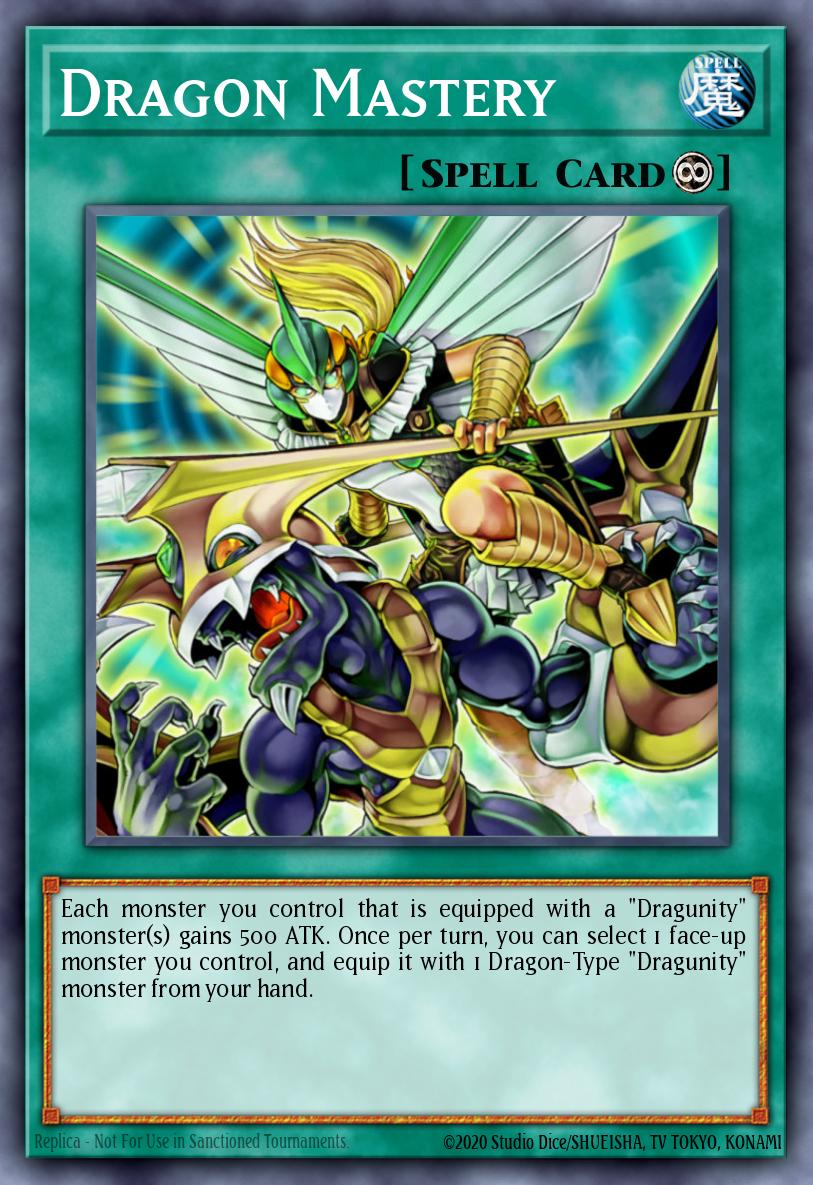
Card Name
Dragon Mastery
Card Number
SDDL-EN022
Type
Spell Card / Continuous
Rarity
Common
Read The Card
Yu-Gi-Oh! cards carry a lot of information in very specific places. Learning the layout helps you identify what the card is, how it can be used and what parts of the text really matter.
The top of the card shows the name, and monster cards also display attribute and level or rank information. These details matter for summoning requirements, synergies and card restrictions.
The type line tells you whether the card is a monster, spell or trap, and monster cards also show class information such as Warrior, Dragon or Effect. This is essential for both rules and deck synergy.
The main text box explains the card effect, summoning condition or flavor text. In Yu-Gi-Oh!, exact wording is critical because timing and activation windows depend on the text.
Monster cards usually show ATK and DEF at the bottom. Those values help determine battle outcomes, but the effect text often matters just as much as the raw stats.
Rules Text
Each monster you control that is equipped with a "Dragunity" monster(s) gains 500 ATK. Once per turn, you can select 1 face-up monster you control, and equip it with 1 Dragon-Type "Dragunity" monster from your hand.
Modern Yu-Gi-Oh! is built around several summon methods such as Fusion, Synchro, Xyz and Link. Understanding what materials they need and how they convert one board into another is a major part of learning the game.
A lot of advanced play comes from timing. Cards can respond to each other in chains, and knowing what can be activated, when it can be chained and what will still resolve matters as much as the raw effect itself.
Yu-Gi-Oh! rewards efficient trading of resources such as cards in hand, field presence and access to the graveyard. Strong decks are built to generate advantage while still pushing toward a threatening end board.
Technical play is often matchup dependent. You need to know which opposing effects must be stopped, when to hold interaction and how to sequence your own combo so a single interruption does not end your turn.
Type
Choose a type or category to explore cards and strategic context inside the Yu-Gi-Oh! guide.
Type
Explore sample Fusion Monster cards in Yu-Gi-Oh! and open the full list for that category.
How this category plays
Fusion Monsters convertem materiais em ameaças fortes com impacto imediato.
Sao finishers ou peças de midpoint no Extra Deck.
Where it usually pressures
Costumam trazer corpos fortes, remoçao, negates ou pressao ofensiva.
What to watch out for
Precisam de acesso correto aos materiais e a forma certa de invocar.
Weakness and resistance always depend on the individual card, set, and format, so use these notes as a practical guide, not an absolute rule.
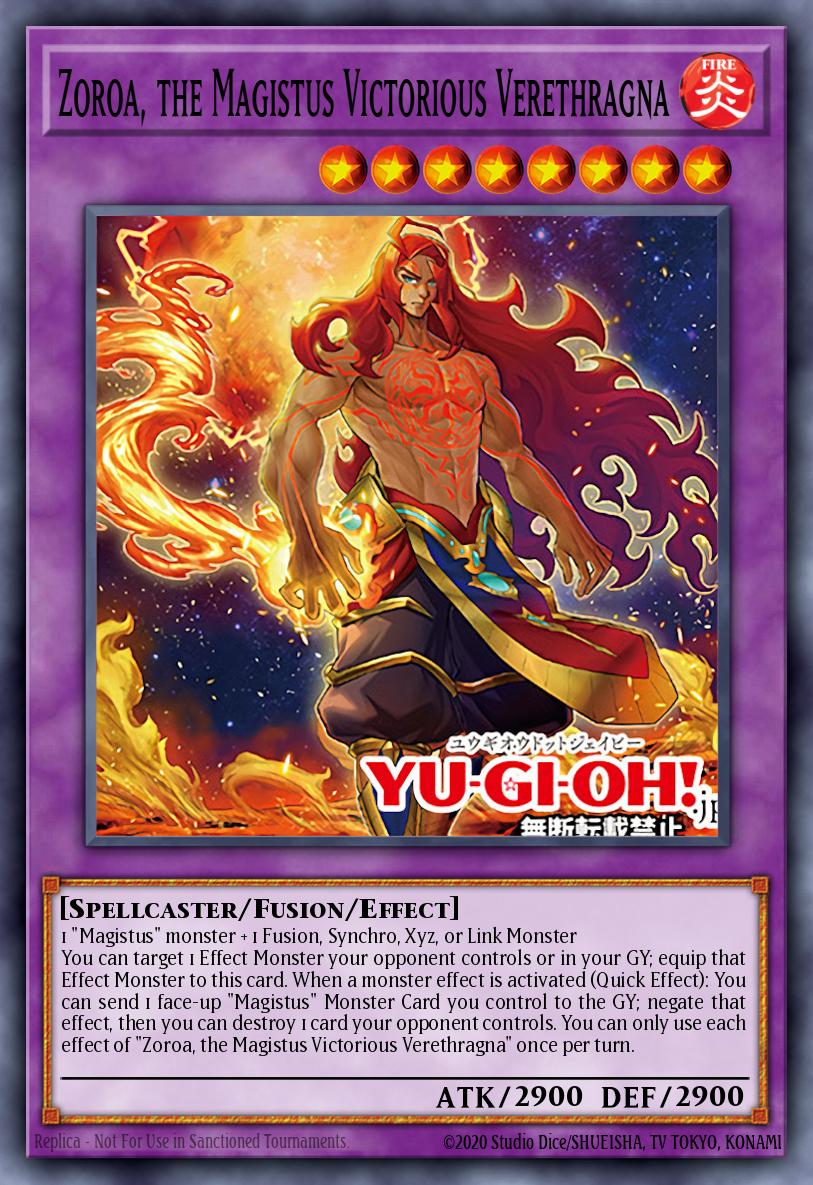
Battles of Legend: Monster Mayhem
Secret Rare
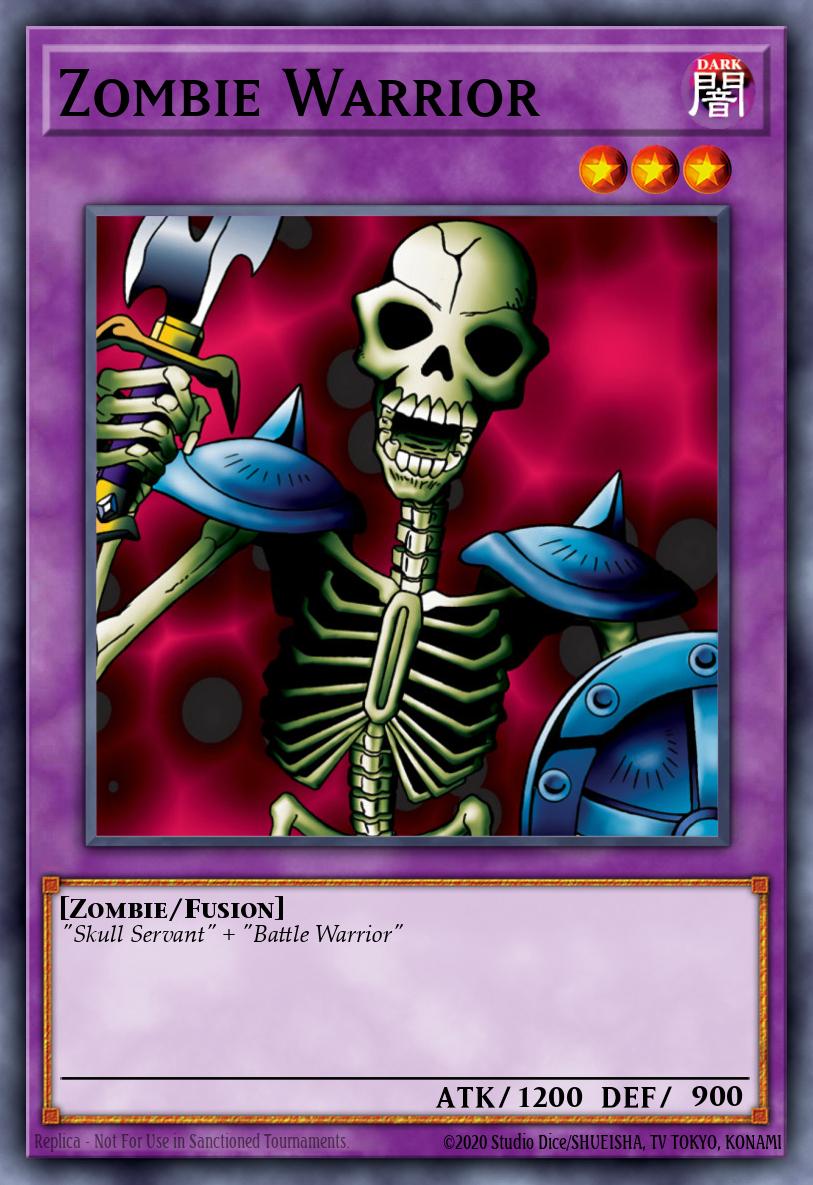
OTS Tournament Pack 1
Short Print
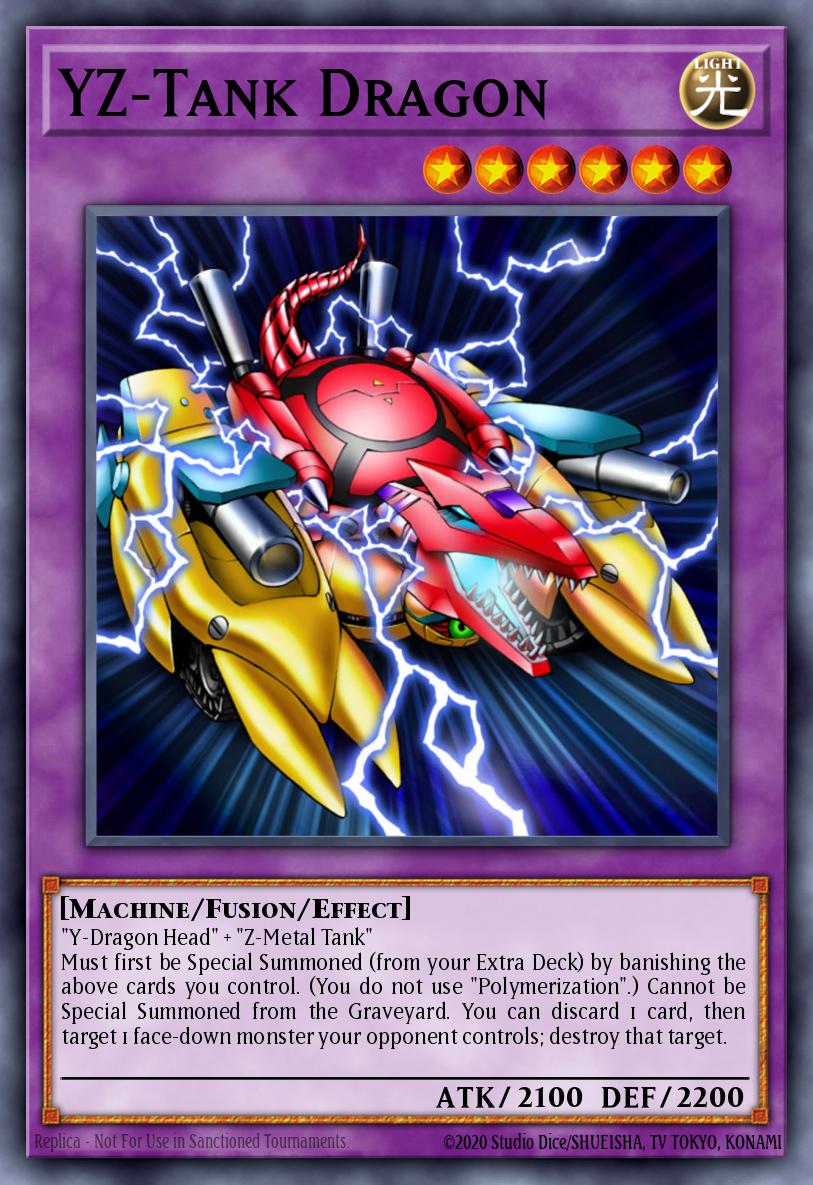
Dark Revelation Volume 1
Rare
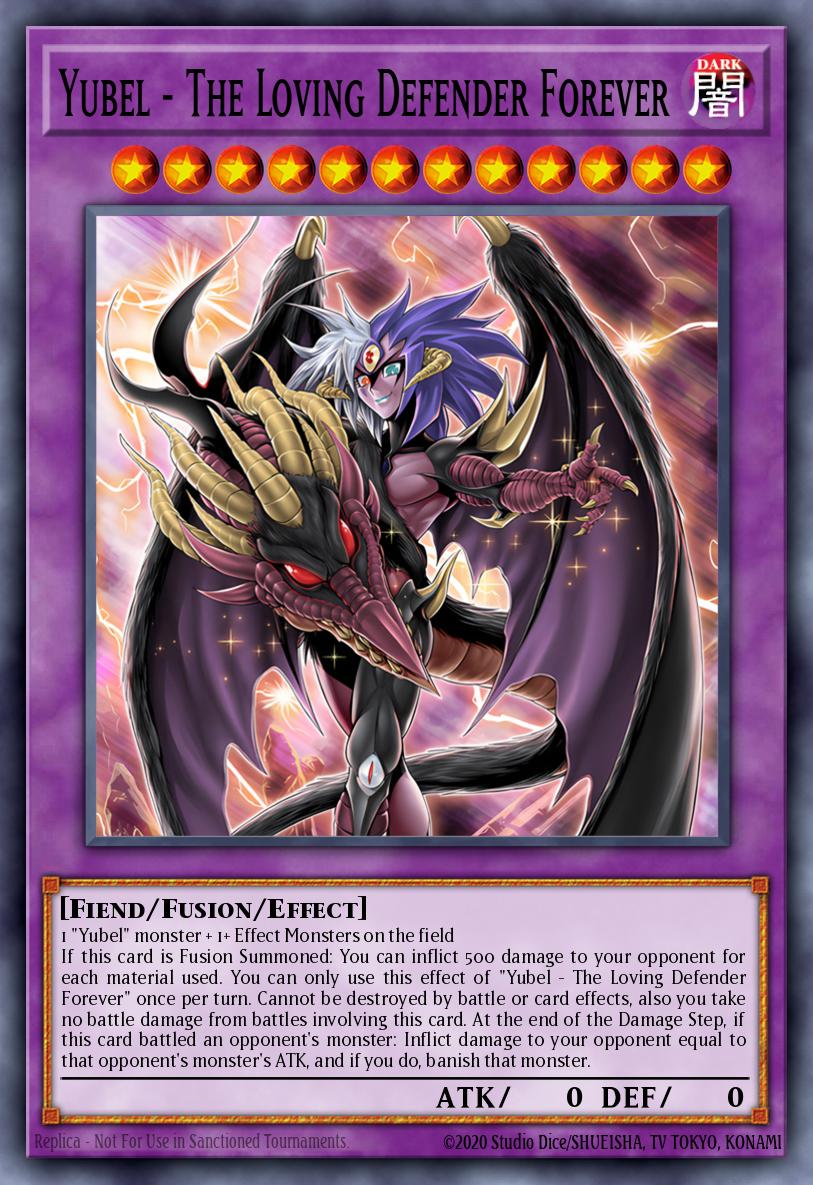
2025 Mega-Pack Tin
Starlight Rare
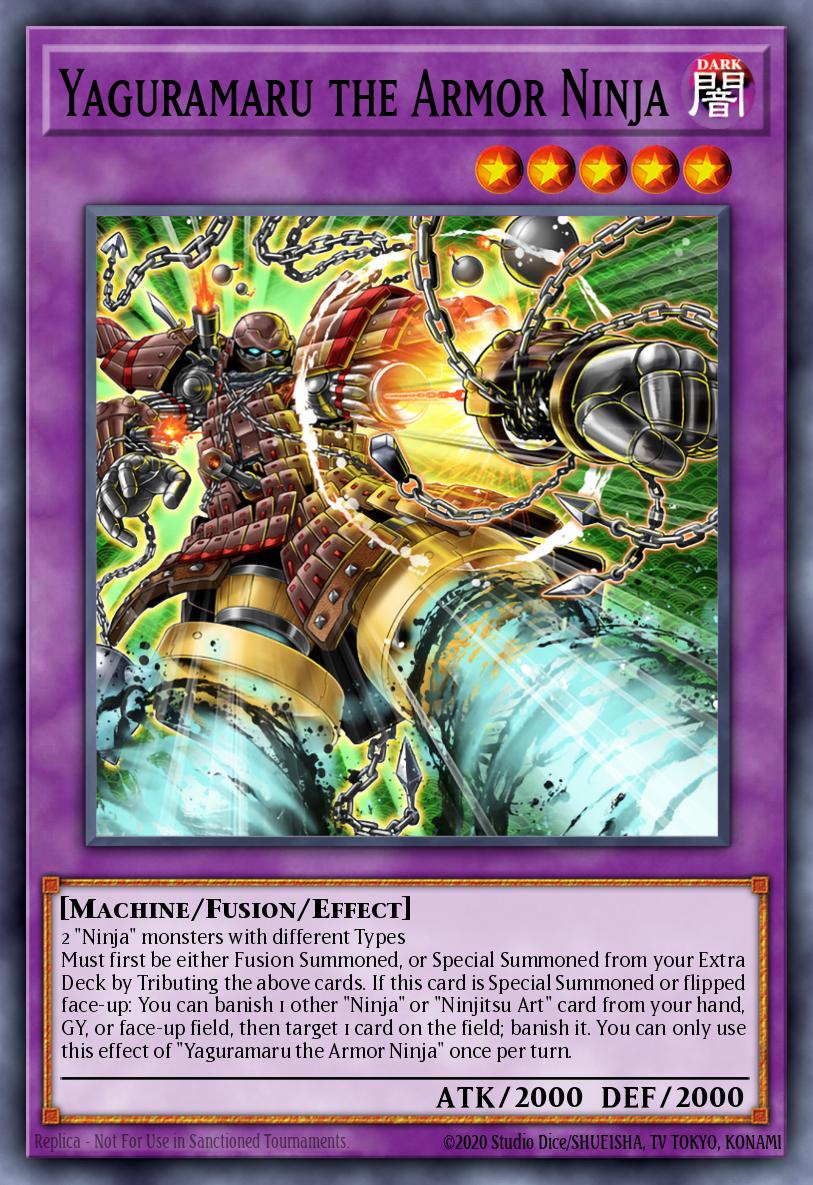
Photon Hypernova
Common
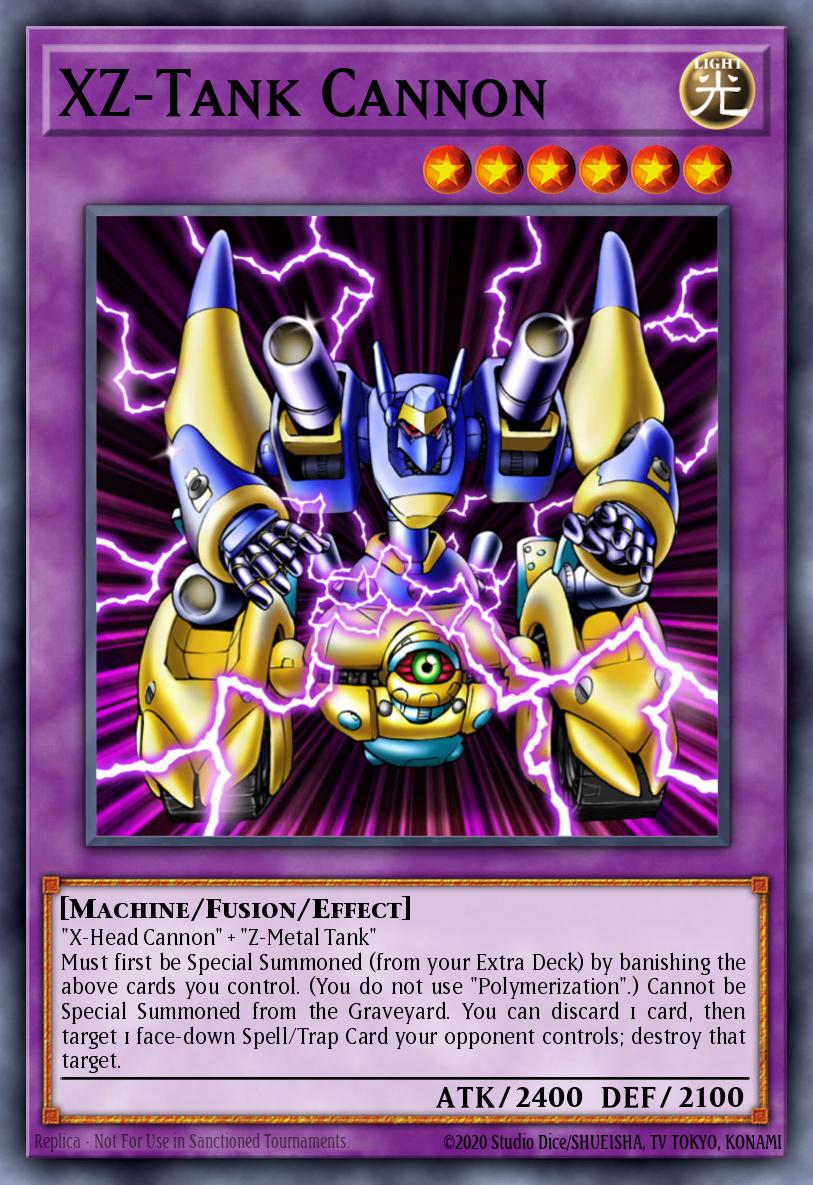
Dark Revelation Volume 1
Rare
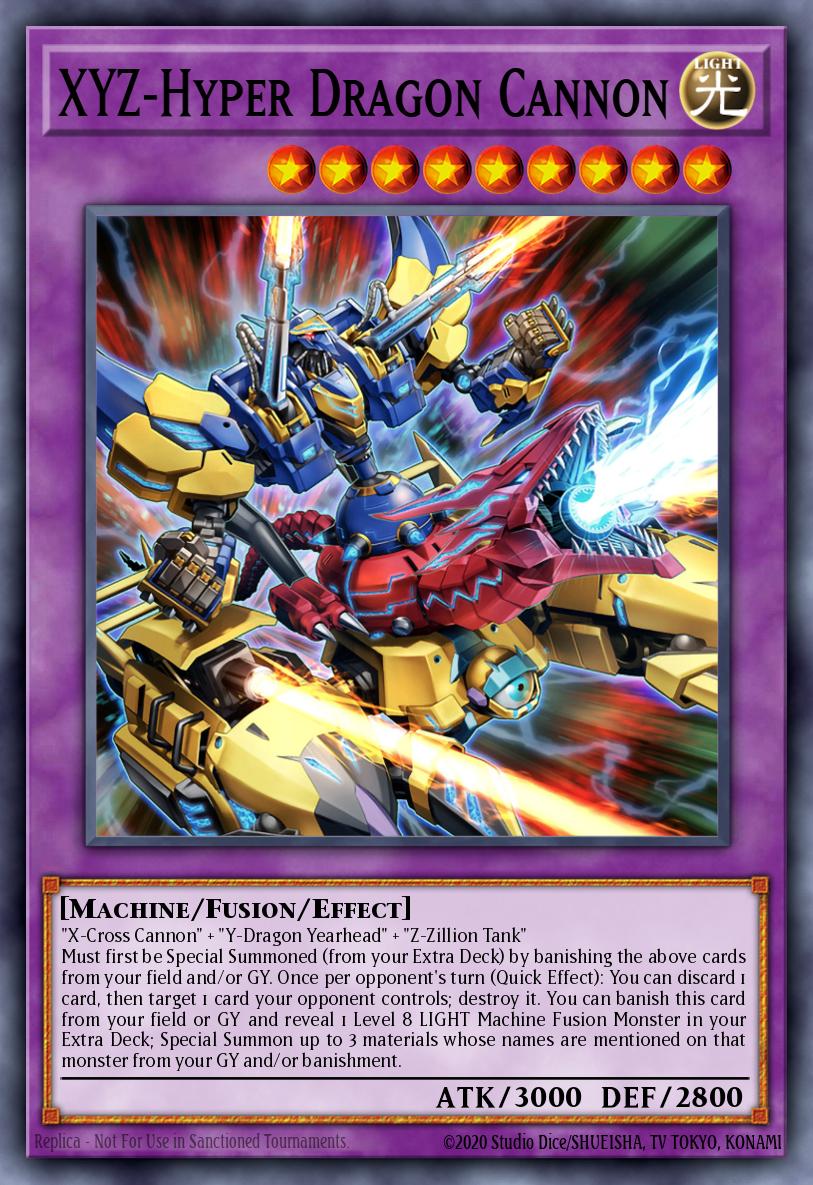
Maze of the Master
Ultra Rare
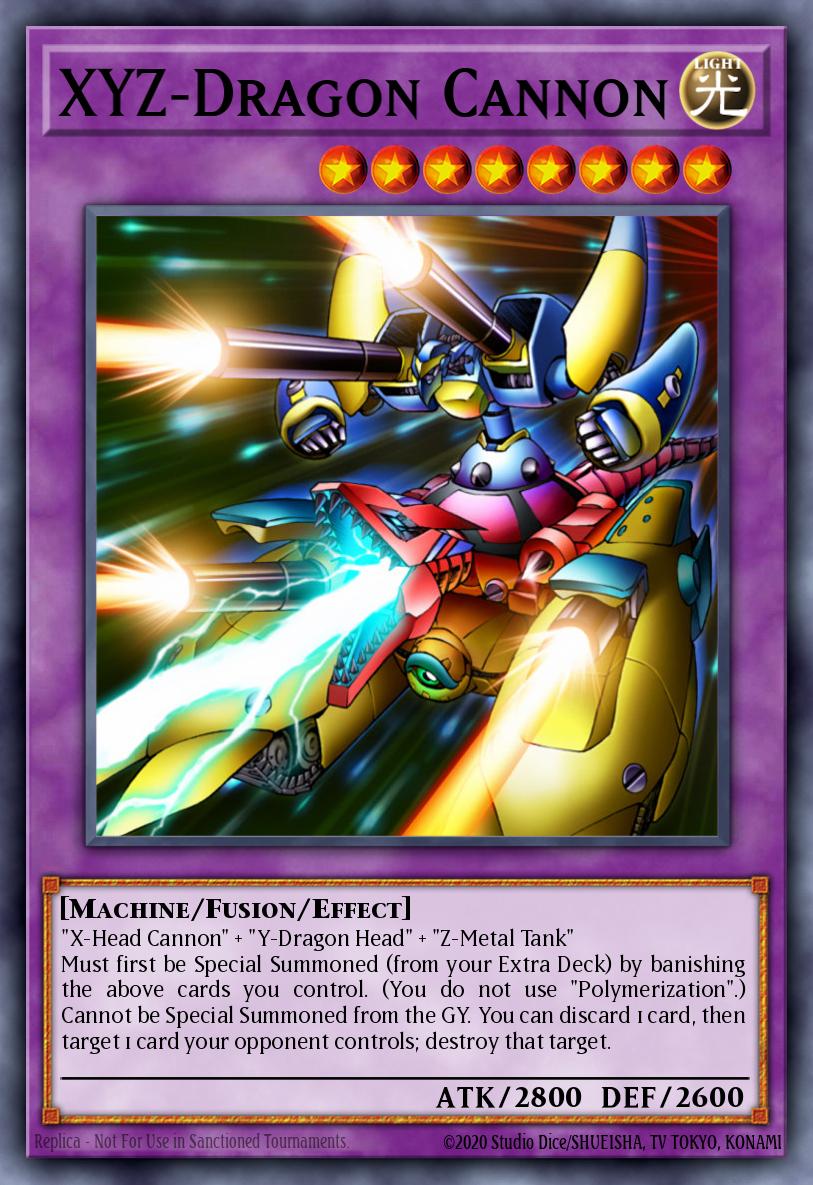
25th Anniversary Tin: Dueling Mirrors
Quarter Century Secret Rare
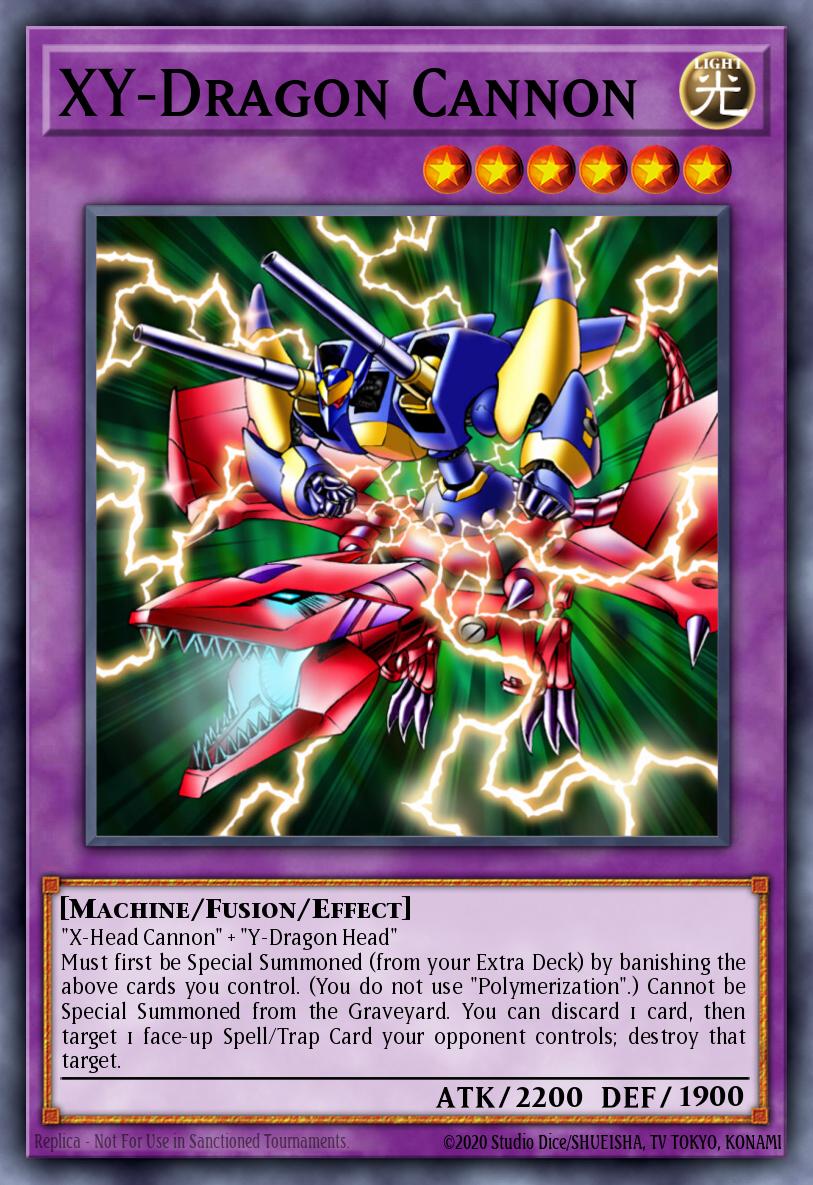
Dark Revelation Volume 1
Rare
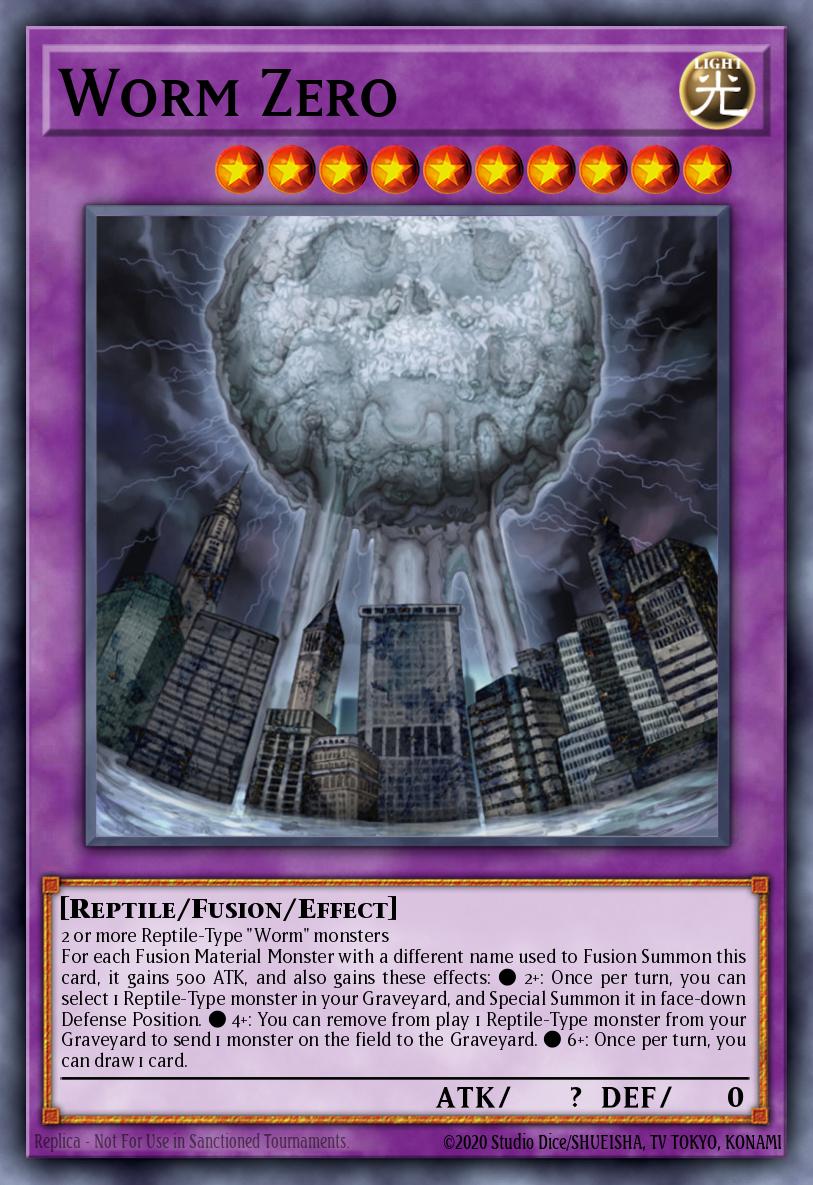
Duel Terminal 3
Duel Terminal Super Parallel Rare
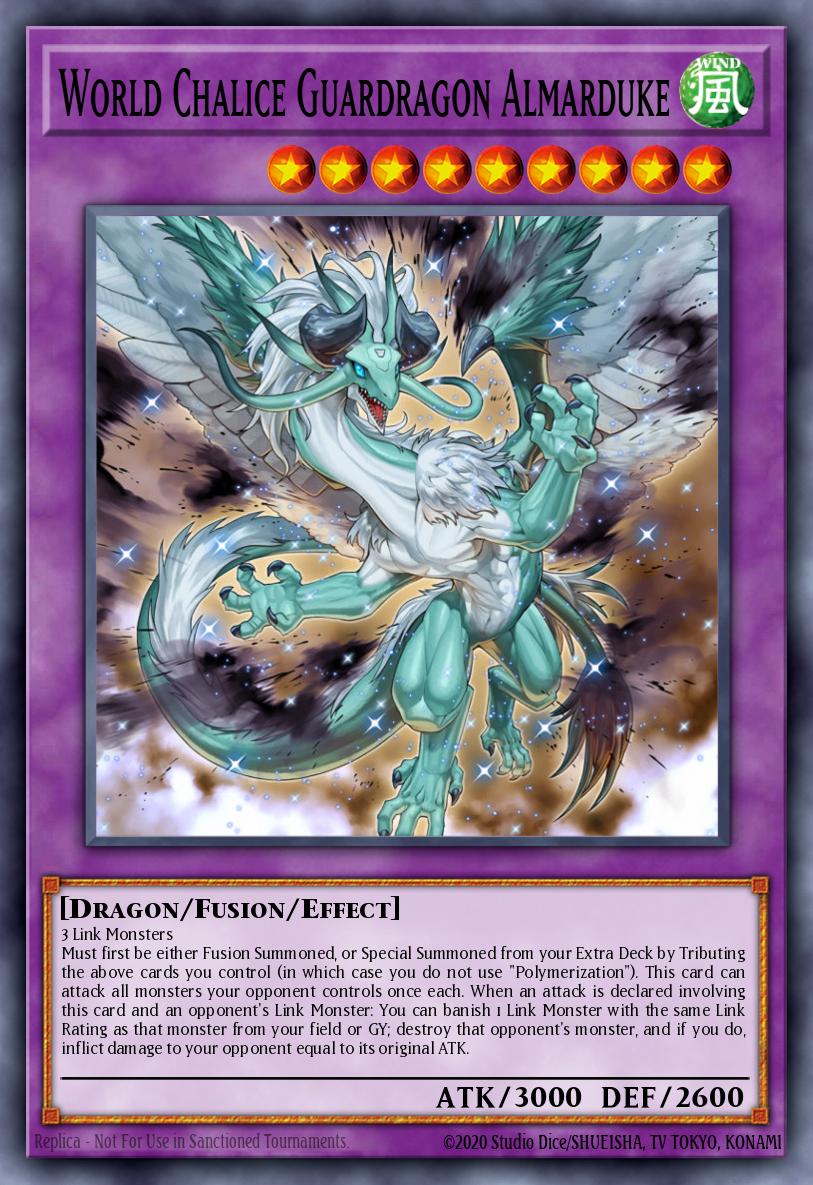
2020 Tin of Lost Memories Mega Pack
Common
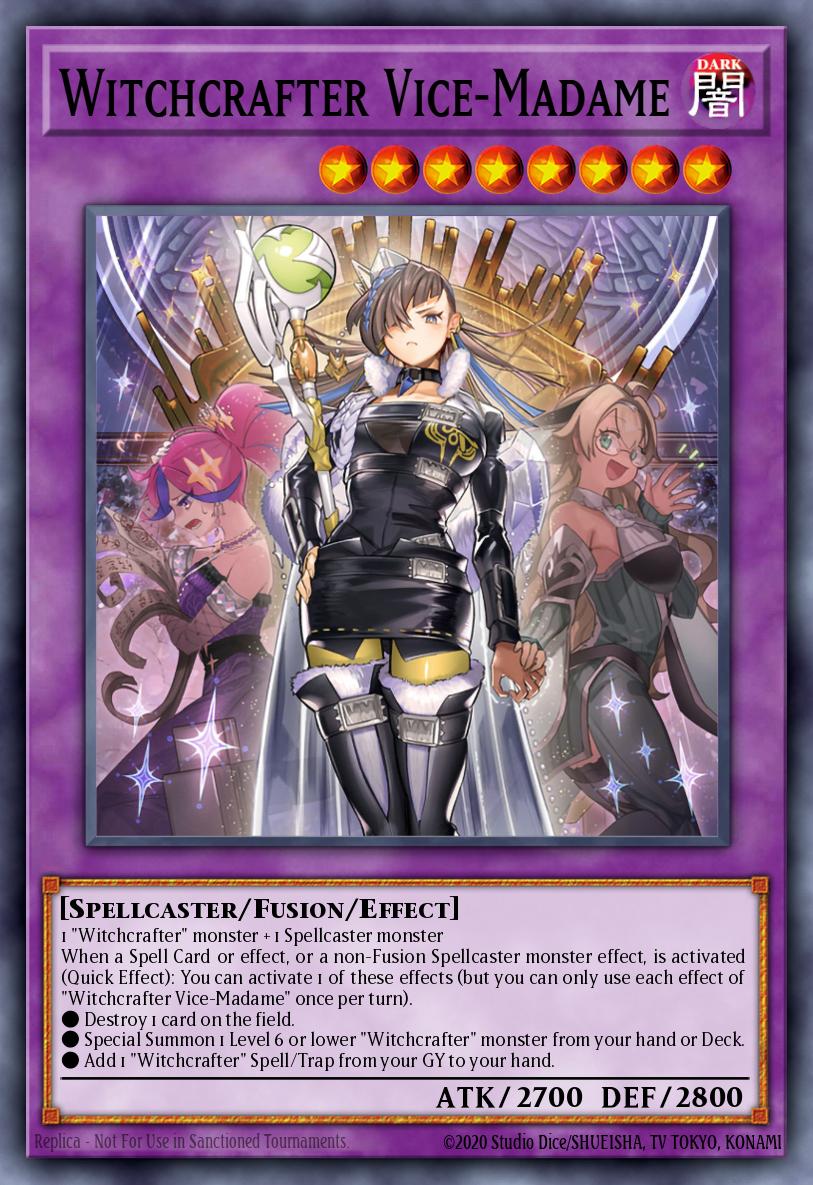
Magnificent Mavens
Ultra Rare
A sequence of effects that resolve in reverse order after players respond to one another.
The discard pile, but in Yu-Gi-Oh! it often works like a second resource zone.
An effect that adds a specific card or category of card from the deck to the hand.
A card used to dismantle an established opposing field so you can start playing.