Name, Stage And HP
The top area tells you the Pokemon name, its Stage such as Basic or Evolution, and its HP. Those three details immediately tell you how the card enters play and how durable it is.
Pokemon / Detailed Guide
Advanced Guide
This guide goes beyond the quick overview and explains the core flow, deck structure and technical terms that appear often in Pokemon TCG.
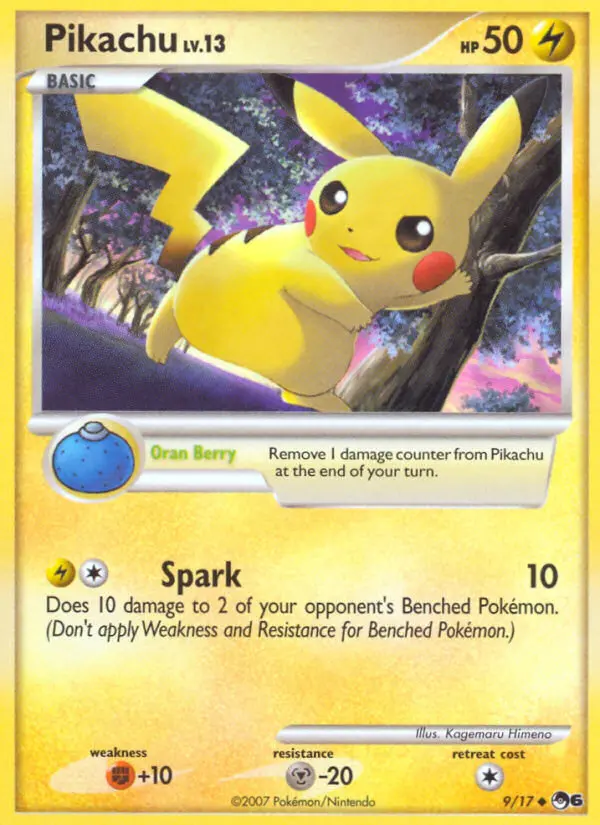
Card Name
Pikachu
Card Number
9
Type
Lightning / Basic
Rarity
Common
Read The Card
A Pokemon card gives you the key information you need to understand what that card does in play: what it is, how it evolves, how it attacks and what role it fills in your deck.
The top area tells you the Pokemon name, its Stage such as Basic or Evolution, and its HP. Those three details immediately tell you how the card enters play and how durable it is.
Pokemon cards usually carry type-based information that affects matchups, plus retreat cost and weakness. These details matter when planning energy use and deciding whether a Pokemon can stay active safely.
Each attack shows the Energy required and the effect or damage it deals. Reading both parts matters, because many attacks do more than raw damage and can shape the whole turn.
If a Pokemon has an Ability, its text explains a passive or activatable effect that can change the game without attacking. Many strong support Pokemon are played mainly because of this text.
A normal game revolves around your Active Pokemon, your Bench, your deck, discard pile and Prize Cards. You are constantly balancing setup, attacking pressure and resource recovery while trying to take all 6 Prize Cards before your opponent does.
Most decks use a main attacker, support Pokemon, search cards, draw support and Energy acceleration. Strong lists are not just powerful cards put together: they are built so the opening turns are consistent and the attacker can be powered every game.
A lot of technical play comes from sequencing. The order in which you play search cards, Abilities, Supporters and Energy attachments changes what lines are available. Good players also plan one or two turns ahead so they do not lose key resources too early.
Pokemon rewards tempo awareness. Sometimes the best line is taking a fast knockout, but sometimes it is better to build a stronger board, deny easy prizes or force the opponent into an awkward exchange map.
Type
Choose a type or category to explore cards and strategic context inside the Pokemon guide.
Type
Explore sample Energy cards in Pokemon and open the full list for that category.
How this category plays
Energy tambem nao e um tipo de Pokemon atacante; sao as cartas que alimentam ataques e certas Abilities.
Define o ritmo do deck e a capacidade de atacar turno apos turno.
Where it usually pressures
Permitem ligar ataques, ativar sinergias e estabilizar o plano principal do deck.
What to watch out for
Demasiada ou pouca Energy pode desequilibrar a lista, por isso a contagem certa e muito importante.
Weakness and resistance always depend on the individual card, set, and format, so use these notes as a practical guide, not an absolute rule.
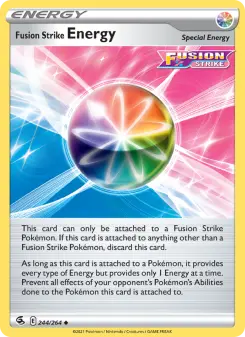
Fusion Strike
Uncommon
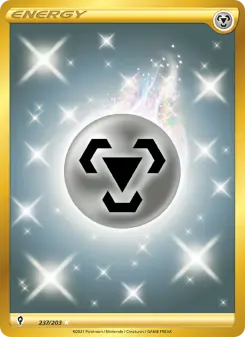
Evolving Skies
Secret Rare
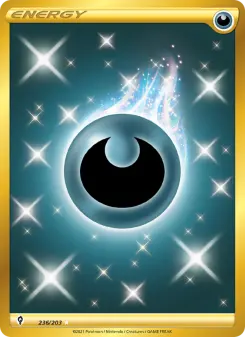
Evolving Skies
Secret Rare
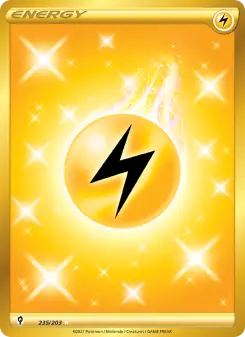
Evolving Skies
Secret Rare
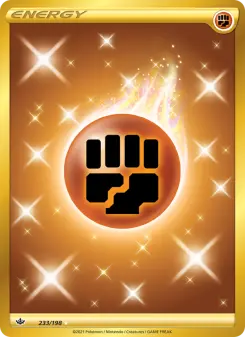
Chilling Reign
Secret Rare

Chilling Reign
Secret Rare
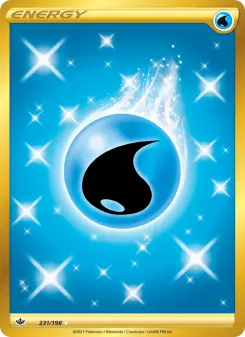
Chilling Reign
Secret Rare
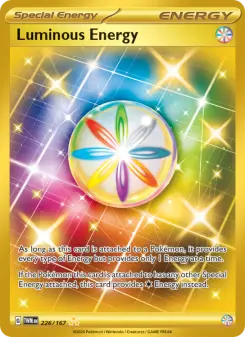
Twilight Masquerade
Hyper rare
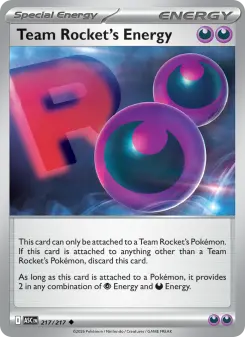
Ascended Heroes
Uncommon
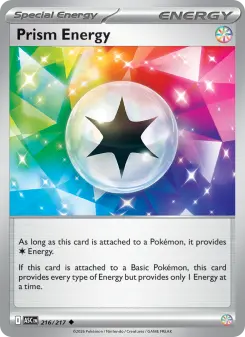
Ascended Heroes
Uncommon
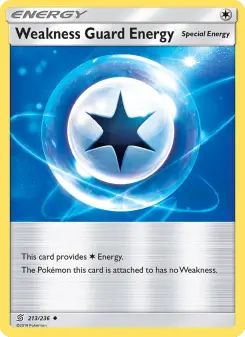
Unified Minds
Uncommon
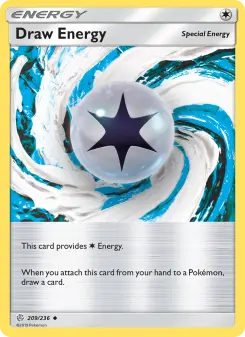
Cosmic Eclipse
Uncommon
The way both players exchange knockouts and Prize Cards over several turns.
The row of backup Pokemon that can later attack, evolve or provide support.
A powerful Trainer card type that you can normally play only once per turn.
Any effect that attaches more Energy than the usual one manual attachment per turn.